Interview Rei
"Music was the only thing that I felt a strong connection to. I had the feeling that music acted as a buffer to connect with the outside world."
Rei's career began with classical guitar, and while she certainly has a strong "guitarist" side, she currently focuses primarily on being a "singer-songwriter." When did she become strongly aware of being a "singer-songwriter" rather than just a "guitarist"?
Rei: I think my awakening as a singer was probably when I was in the third or fourth grade of elementary school. That's when I first invited a classmate to form a band and started singing myself. We mixed classic rock like The Beatles and The Who with popular bands at the time like Simple Plan and Avril Lavigne, covering them all, and that's when I started to realize how much fun it was to sing.
When did you first write your own song?
Rei: Around the same time I was in that band, I recorded my first home-recorded song. One morning, my pet turtle escaped from its cage, and I was so sad about it that I multi-tracked a song called "Brownie," which I titled after the turtle's name, using a cassette MTR. That was theきっかけ (trigger) that made me start writing songs for the band as well, so from that point on, singing and songwriting became a much bigger part of my life.
You originally wanted to be a professional classical guitarist, right?
Rei: That's right. I'd been taking part in competitions since I was little, but I started a band at school and my feelings gradually began to change. Unlike classical music, contemporary music involves a lot of improvisation, so I enjoyed creating sounds while playing, and I also enjoyed simply singing and playing in an ensemble. So, my dream grew to debut not as a classical guitarist, but as an artist who composes my own songs and sings while playing the guitar.
What made you start dreaming of debuting as an artist?
Rei: In the movie "The Kids Are Alright," there's a scene where John Entwistle of The Who shoots platinum records down from a balcony of a castle full of guitars and basses using a shotgun, and I thought, "I want to do that too!" Then I realized that to do that I had to become a star, and Pete Townshend also said, "To make a fortune in music, you have to write and sing your own songs" (laughs), and for several reasons like that, I developed a dream of having people all over the world humming my songs.

Just like how my first home recording was a song by "Brownie" after she passed away, I think I needed to sing my own words with my own melody in order to express my own emotions.
Rei: I think so. I've aspired to a career in music since I was four years old, and I always felt that I had weak connections with the people around me. I felt like I wasn't fully connected to the outside world. But music was the only thing that allowed me to feel a strong connection within myself, and I felt like I was using music as a buffer to connect with the outside world.
From there, with the guitar as his partner, he has pursued his career as a singer-songwriter.
Rei: I see the guitar as a tool, like a co-creator, and I always hope that the vocals will remain the main focus. I don't mind what sparks people's interest; of course, I'd be happy if it was the guitar, but what makes me happiest is when people say, "The songs are good, the vocals are good." Ultimately, what's important is the "way of life," whether it's Paul McCartney, Beck, St. Vincent, UA, or Ryosuke (Nagaoka). I love their music, of course, but I've been greatly influenced by what they wear, what message they carry, and their way of life, so I think that's the essence. It's perfectly fine if people are drawn in by the outward appearance, but ultimately, I'd be happy if they could see the way I live my life.
"There are many different ways to approach overseas markets, and I think they're all valid approaches, but I personally prefer the 'light is under the candlestick' approach."
In February of this year, the international edition of their first album, "REI," was released digitally by the long-established American label Verve Forecast. Two years and three months had passed since the domestic release of "REI," so what were the circumstances that led to that timing of the release?
Rei: It's because of COVID-19, isn't it? The situation in America was also terrible, so a lot of things came to a halt... But, taking all of that into account, I think the timing of this release was appropriate. When you're overwhelmed with your own problems, I think art can sometimes be a source of solace, but it inevitably takes a lower priority than food, clothing, and shelter, and I think there is some music that you shouldn't force yourself to listen to when you don't have the luxury of doing so. I think the work "REI" sounds more beautiful when you have the basic necessities of life secured and the mental space to appreciate the beauty of flowers. In that sense, although not everything has settled down yet, I think it was good that it was released this year.
So, when the domestic version was released, discussions for the international edition were already underway?
Rei: Well, 'REI' came out in Japan, and then Verve approached us. So, we did have the idea of creating a new original work with Verve, but we thought that releasing what we already have with English lyrics might be a good way to start the story.
What were your feelings when you heard about the offer from Verve?
Rei: I was incredibly happy. I lived in New York when I was little, and Verve is a New York-based label, so I was happy about that too. When I decided to become a singer, I really wanted to debut in America. However, when I was in high school, I realized the beauty of Japanese lyrics and wanted to sing in my native language, so I chose to debut in Japan. But debuting in America had always been my dream since I was a child, so I was truly happy.
How was it re-singing the song in English?
Rei: English was easier for me. I usually write in English first and then think about what to translate into Japanese, so that's the order I often follow. Also, my personality is different when I'm in Japanese and when I'm in English. I can be more direct in English. I don't hold back, and I reveal my sharper side. My sense of self originally emerged in English, so I feel more like myself when I write in English, and writing in Japanese is more of a challenge for me.
In recent years, Asian music has been heard in Europe and America in its original language. Rei, do you also have any desire to eventually share your Japanese songs with an international audience?
Rei: Right now, I simply want to be a huge success in Japan (laughs). If I become a leading Japanese musician, I think overseas listeners will naturally become interested in me. Like when Gen Hoshino collaborated with Dua Lipa, or when city pop was re-evaluated overseas. There are many ways to approach the overseas market, and I think they're all valid, but I think "the lighthouse is bright" is the best way. I want to be loved by the people close to me, and on top of that, I want them to support me and say, "Rei, do your best over there." Of course, the offer from Verve is a great honor, so I want to pursue activities aimed at overseas markets at my own pace. However, if you ask me if I want to focus on overseas activities to the point of interfering with my domestic activities, I don't think so at this point. First of all, I want to focus on my activities in Japan.
"The people I love, and the people who have loved me, have helped to loosen my rigid way of thinking, so 'QUILT' is also a way of expressing my gratitude for that."
As a new activity within Japan, COLLABORATION project "QUILT" has been launched, and as its first release, "Smile! with Fujiwara Sakura," a collaboration with Fujiwara Sakura, has been released digitally. How did this project come about?
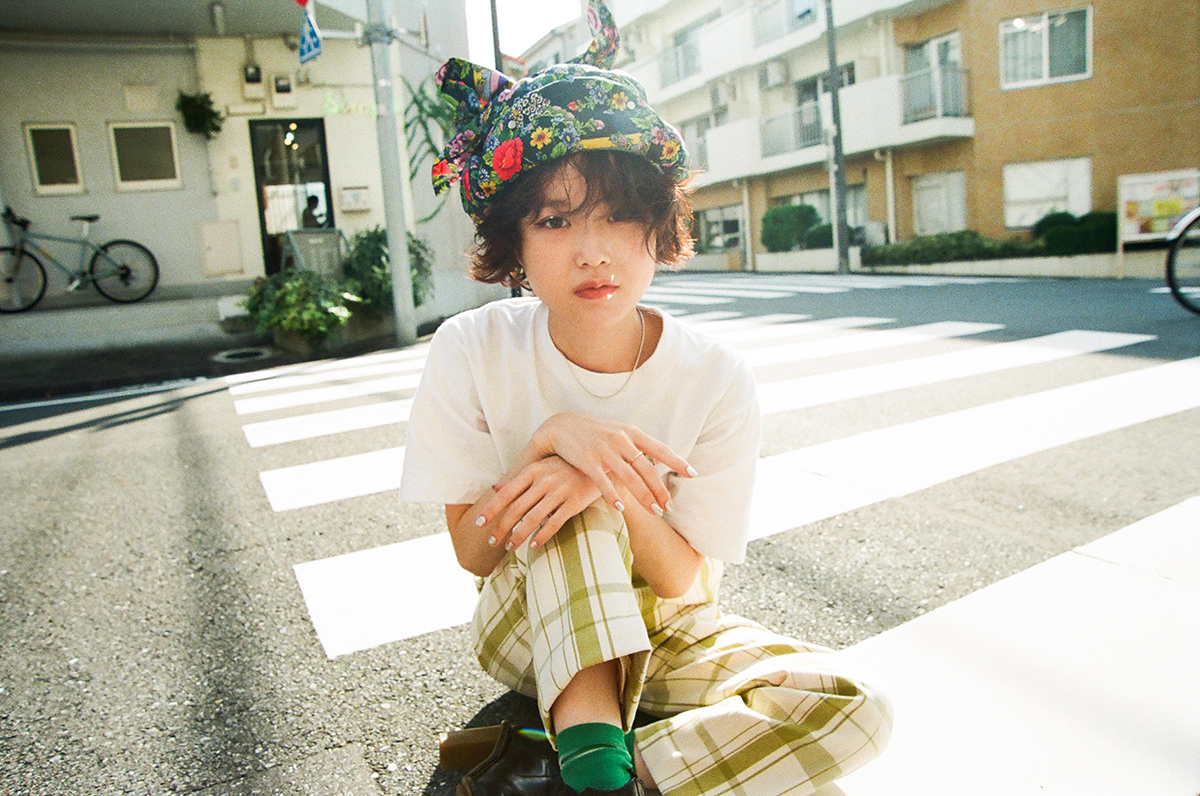
Rei: Throughout my musical career, I've had the opportunity to interact with various musicians and participate in jam sessions, and I wanted to create something tangible to preserve those experiences. So, this is a project that I couldn't do when I debuted, and I think it's also a project that expresses the evidence of my continued activities up to this point. "QUILT" is a technique where cotton is placed between two pieces of fabric and sewed together with thread, and the image is that there are two artists, me and you, with music as the cotton between us, and we sew them together to create one work of art.
I see.
Rei: Another important keyword for this project is "coexistence." I think it's a theme that everyone has become aware of during the COVID-19 pandemic, but I wanted to explore it again. I've always been the type of person who thinks, "If I have music, I don't need anything else," and I've lived my life constantly facing the guitar and music.
At the beginning, you said that you felt like you weren't completely connected to the outside world.
Rei: I never thought being alone was uncool. On the contrary, I was proud of it, like proof that I had fought alongside music. I thought hanging out in groups was lame, and I intended to live a stoic life solely focused on music. Even after moving to Tokyo, I continued like that for a while. When I hung out with people, I always felt like I had to turn this experience into a song, like I was doing something terribly wrong if I didn't connect everything to music. But as I interacted with various people, there were some who helped me loosen that way of thinking.
Sakura Fujiwara was one of those important people.
Rei: She's someone who genuinely compliments people. Like a flower that doesn't flaunt its beauty but naturally makes those around it feel gentle, she just naturally exists there, and I think that's wonderful. Spending time with her naturally gives feedback to my own music, and it made me realize that even without consciously thinking about music, everyday life and connections with people can become music. The people I love, and the people who have loved me, have loosened my rigid way of thinking, so this project is also a way of expressing my gratitude for that.
That's a huge change. You could even call it a turning point.
Rei: But I think the fact that I was able to think that way was because I've lived my life wholeheartedly dedicating myself to music. My perspective was narrow, but I've always believed in music, and along the way, I've been able to truly connect with the people I've met. Maybe there are some people among those who listen to this song who are feeling lonely. You know how sometimes you walk through a busy intersection and there are lots of people, but you feel like, "How lonely I am"? I hope this song can also convey the message that even for people who feel that way, if they live their lives earnestly and sincerely, they will one day meet someone with whom they can truly connect.
"Through my activities up until now, I've created my own rules and my own style of work, but now I feel a sense of joy because I've finally found something to break down."
How was it recording the songs?
Rei: It's been a while since I've been in a studio for my own recording, so I felt really happy. This time, Hama Okamoto, Ishiwaka Shun, and the horn section were all friends I'd worked with before, so it was moving to be able to come together with them and make music. Sakura and I discussed what kind of song we wanted to make from the early stages, and we each wrote a lot of songs, so it was fun to create music in that way for the first time. The song itself was influenced by The Beatles, but basically, we both like the same things, so we made it with the shared goal of "making the best pop song possible."
The lyrics of "Smile!" convey the joy of finding someone important after experiencing loneliness.
Rei: It's like asking, "When was the last time you laughed out loud?" I think there are times when you don't laugh as much as you might think. But you really shouldn't forget how to laugh. It's a very basic thing, but it's something that everyone tends to forget, so I hope this song can be a reminder of that.
The artwork is also COLLABORATION with photographer Shun Omiyama.
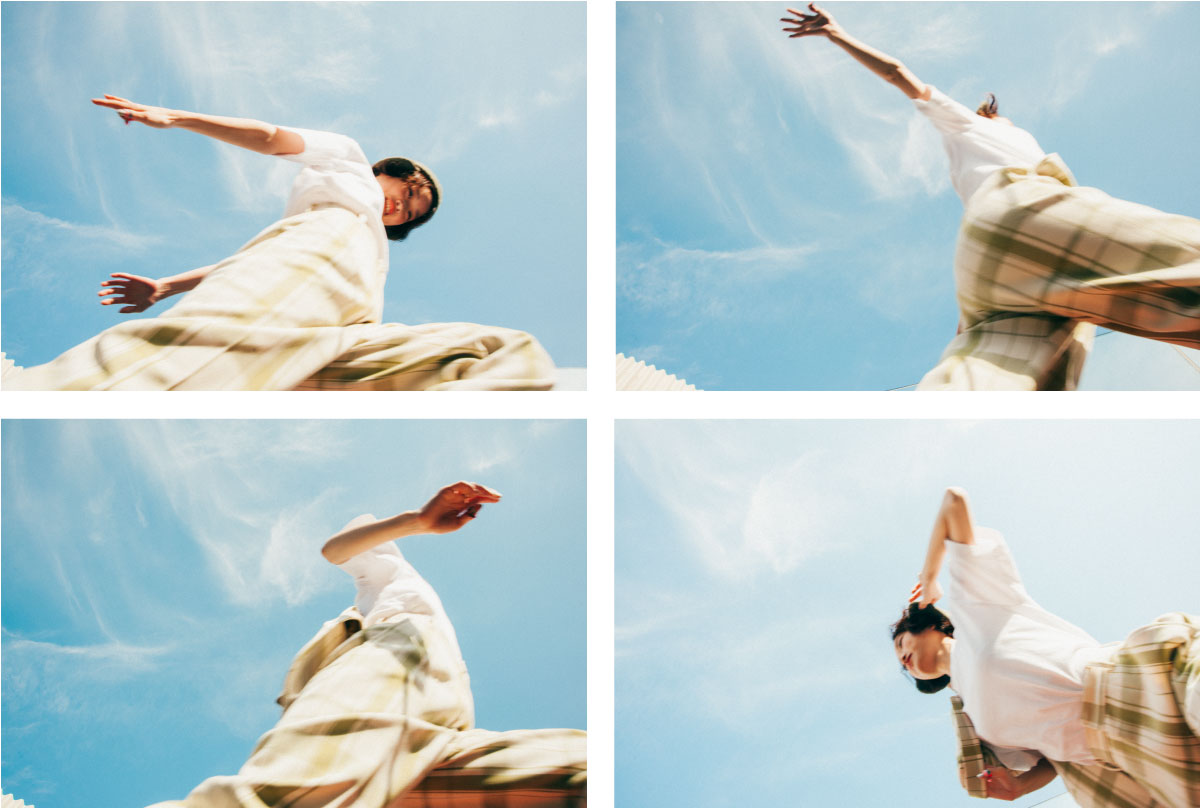
Rei: Since this is COLLABORATION between two artists, we decided to go with a two-tone visual. I wanted a design that could be interpreted in various ways, so I depicted two girls running from a blue world into a pink world. It could look like the two of them are running happily together, or it could look like one of the girls is looking back worriedly, so I hope people will use their imagination freely.
The word "coexistence" that I mentioned earlier seems to be a key word in all of Rei's current activities.
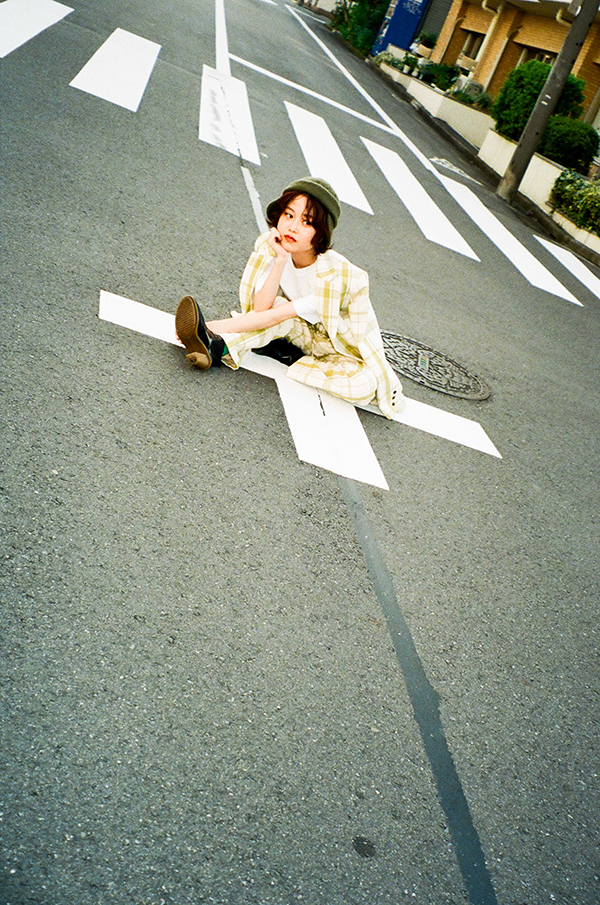
Rei: Up until now, I've continued my activities and created my own rules and artistic style, but for me, there's a joy in finally having something to break. You can't destroy a sandcastle unless you build it first, and now that I finally have something to destroy, I'm like, "Okay, let's go ahead and destroy it!" That's how I feel right now. In the past, whenever someone called me a "guitarist," I would inwardly retort, "But I sing too!" (laughs), but now, precisely because I've created a certain image that people have of me, I can break through it as much as I want from here on out. With the help of various people, I'm excited to see how I can step out of my comfort zone.
Excitement outweighs nervousness.
Rei: I've always thought this, but the pandemic has made it even clearer to me that "tomorrow will not come." So, I have to live each day as if today is my last. With every project, I intend to work as if it could be the end of my career, and I think that by working under the premise that tomorrow will not come, I can produce my absolute best.
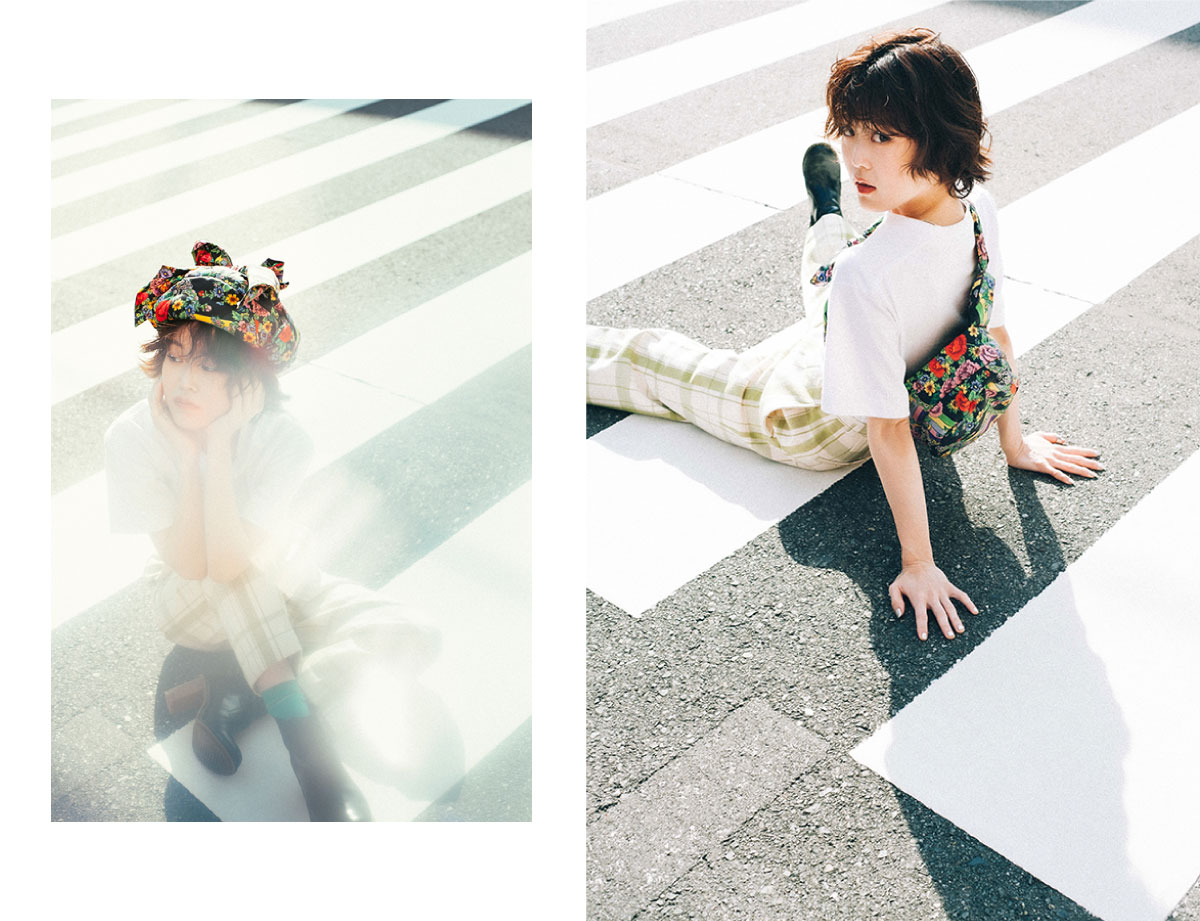
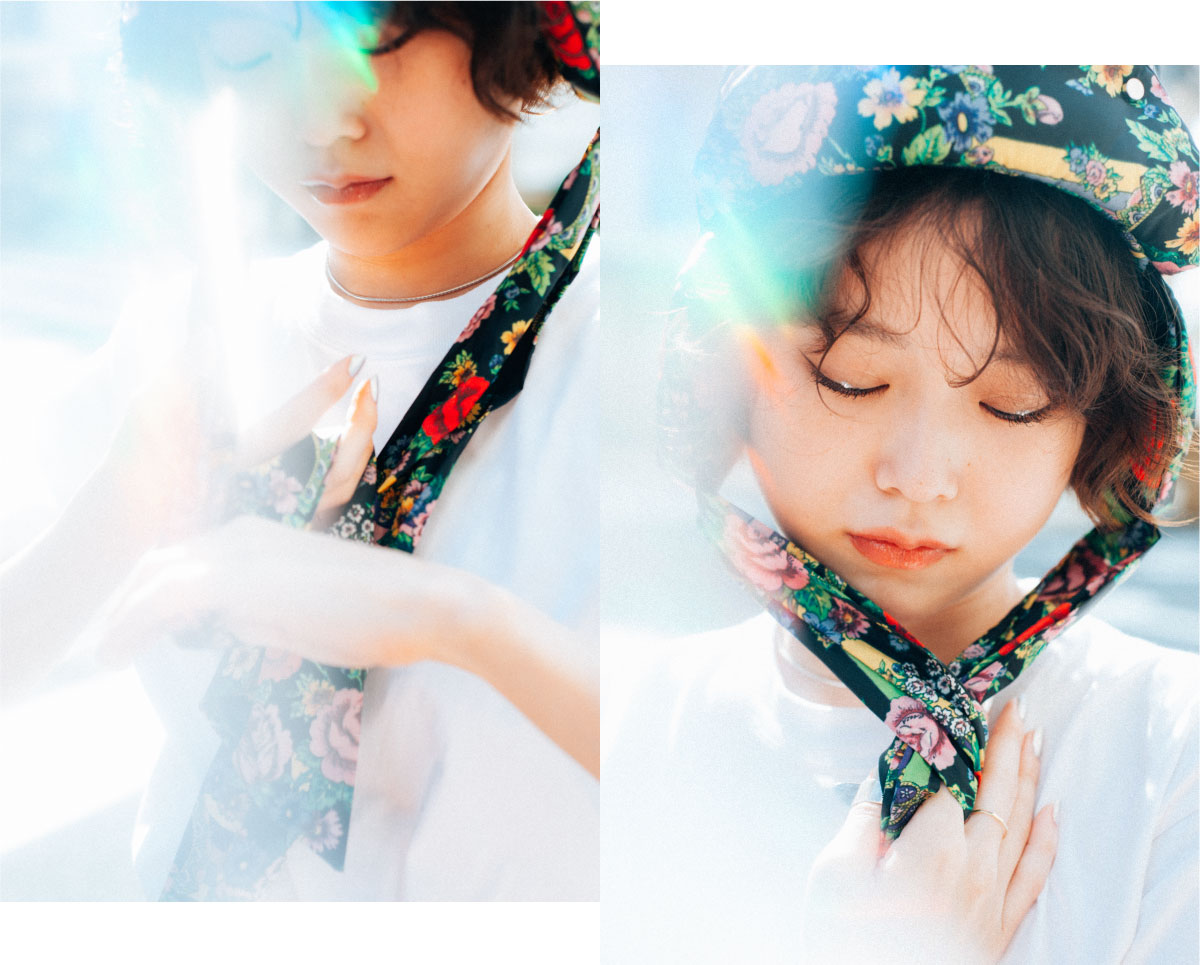
"I want to wear clothes and hats as a way of expressing who I am, but without trying too hard."

This photoshoot is COLLABORATION with CA4LA, so what are your particular preferences when it comes to hats?
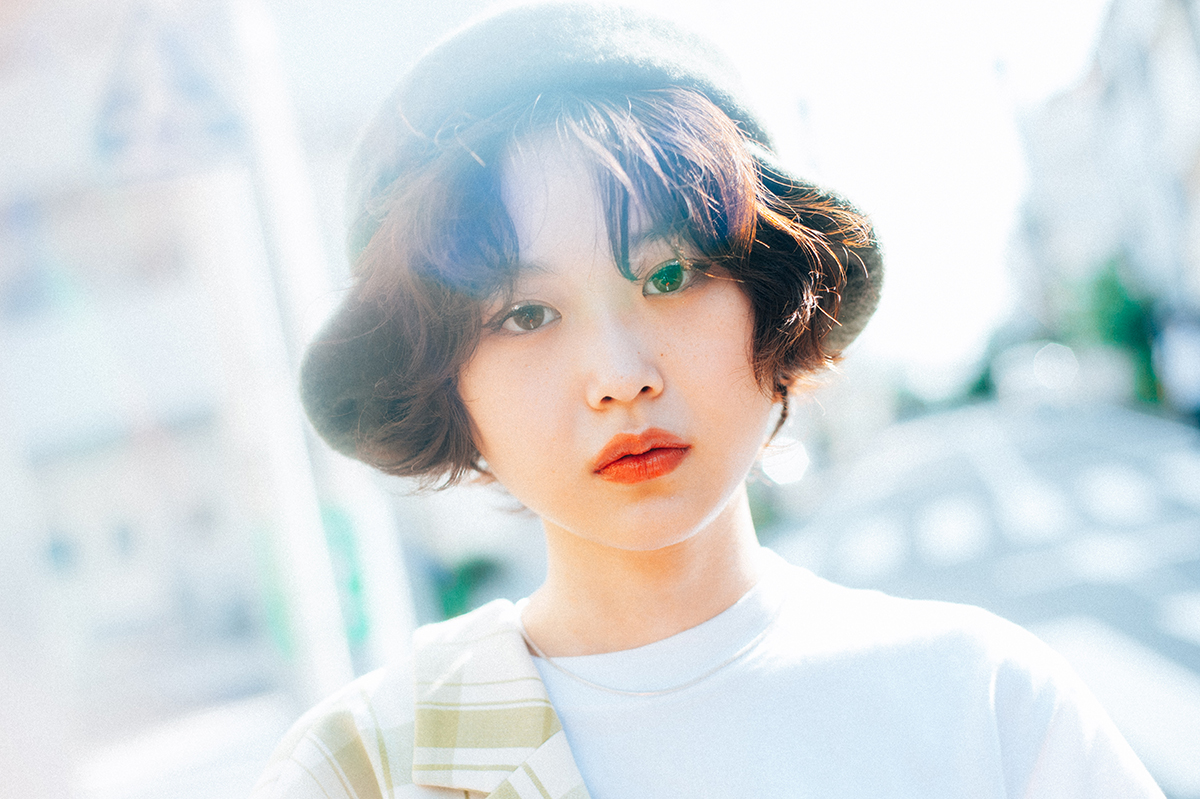
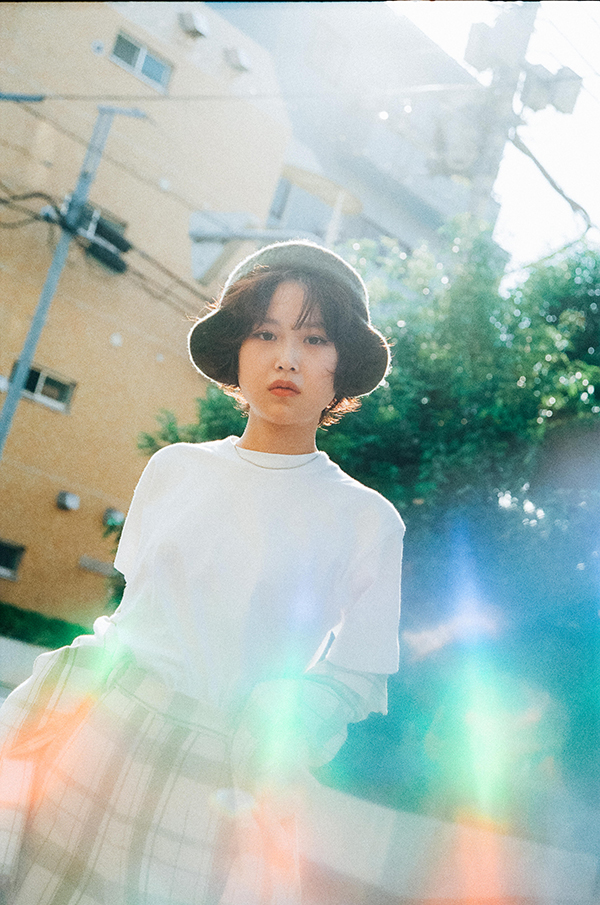
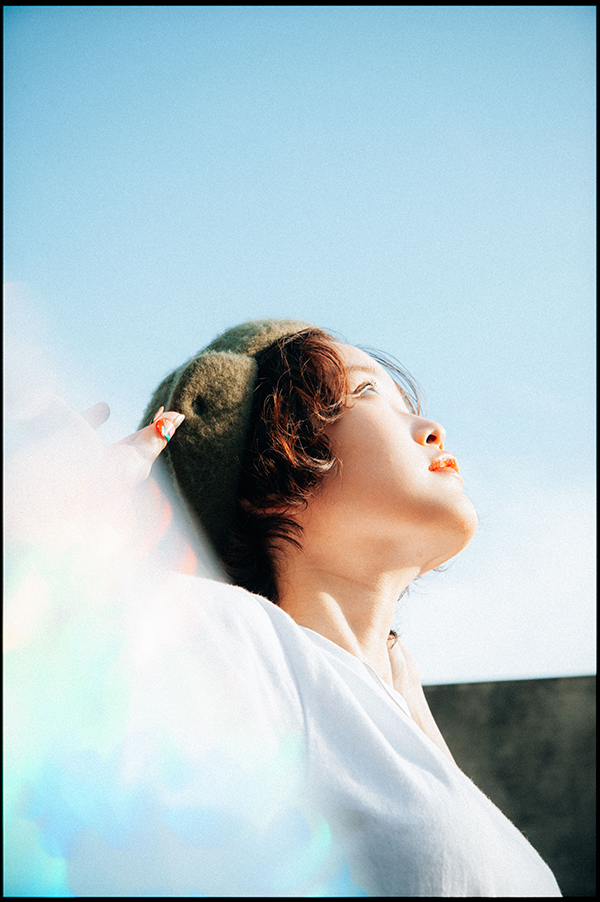
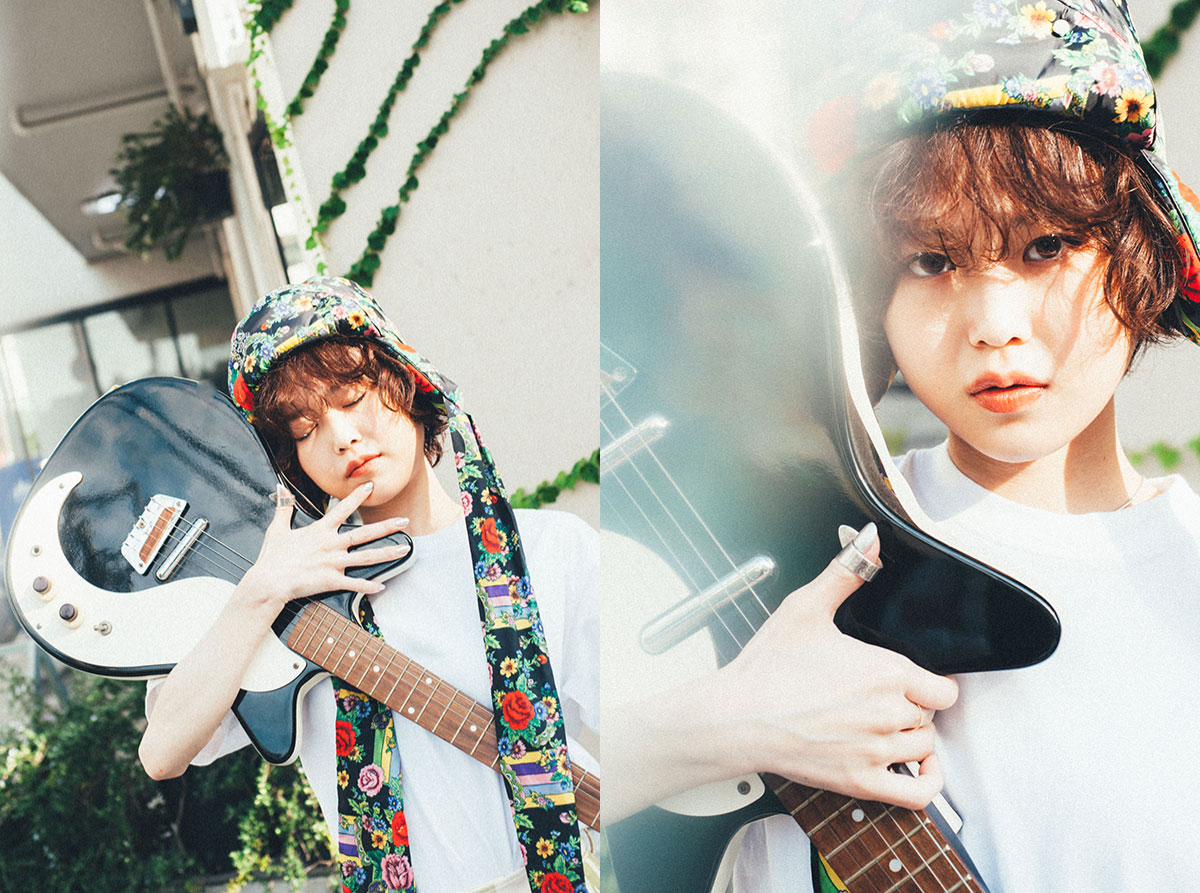
Rei: I only started loving hats after I became a professional musician. At first, I collected a ton of cap with the "R" from "Rei" on them, and that was my first hat craze. After that, I started collecting a ton of berets, and that was my second hat craze. Hats are... convenient when my hair isn't styled well (laughs), and even if my makeup is simple, a hat with some color can brighten up my face, so I wear them like I'm putting a frame over my face. Also, I really like how hats are connected to culture.
What do you mean?
Rei: As I mentioned earlier, I've always admired musicians who are particular about everything—what they say, what they eat, what they wear—and I think wearing a hat isn't just a fashion item. I think it's incredibly cool when people today wear something that was worn by certain people in a particular era, and they understand that. In that sense, I like how hats can be linked to so many different cultures.
After all, one's way of life is reflected in their fashion.
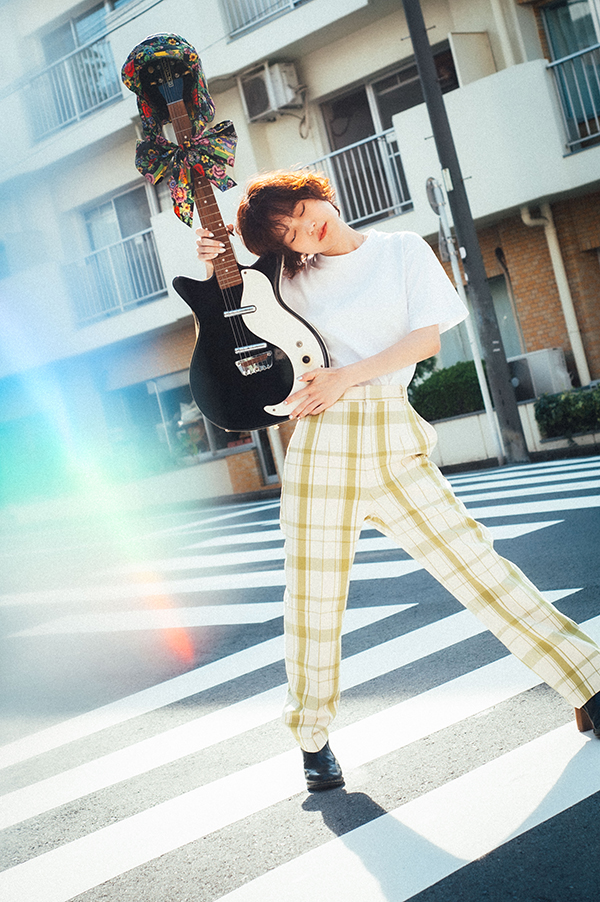
Rei: One thing I don't agree with is that the word "fashion" is sometimes used in contexts like "trying too hard" or "pretending." I get annoyed when people say things like, "You're listening to this music just for the fashion, aren't you?" in a sarcastic way. I think the word "fashion" is a word that conveys more of a personal feeling. Of course, I think it's fine to wear fashion to look cool, but to me, it's like a mirror that reflects a person's soul, so I want to wear clothes and hats in that way as a way of expressing who I am, but without trying too hard.
Interview&Text by Atsutake Kaneko
Photo by Kana Tarumi
Hair Make by Haruka Miyamoto
Rei
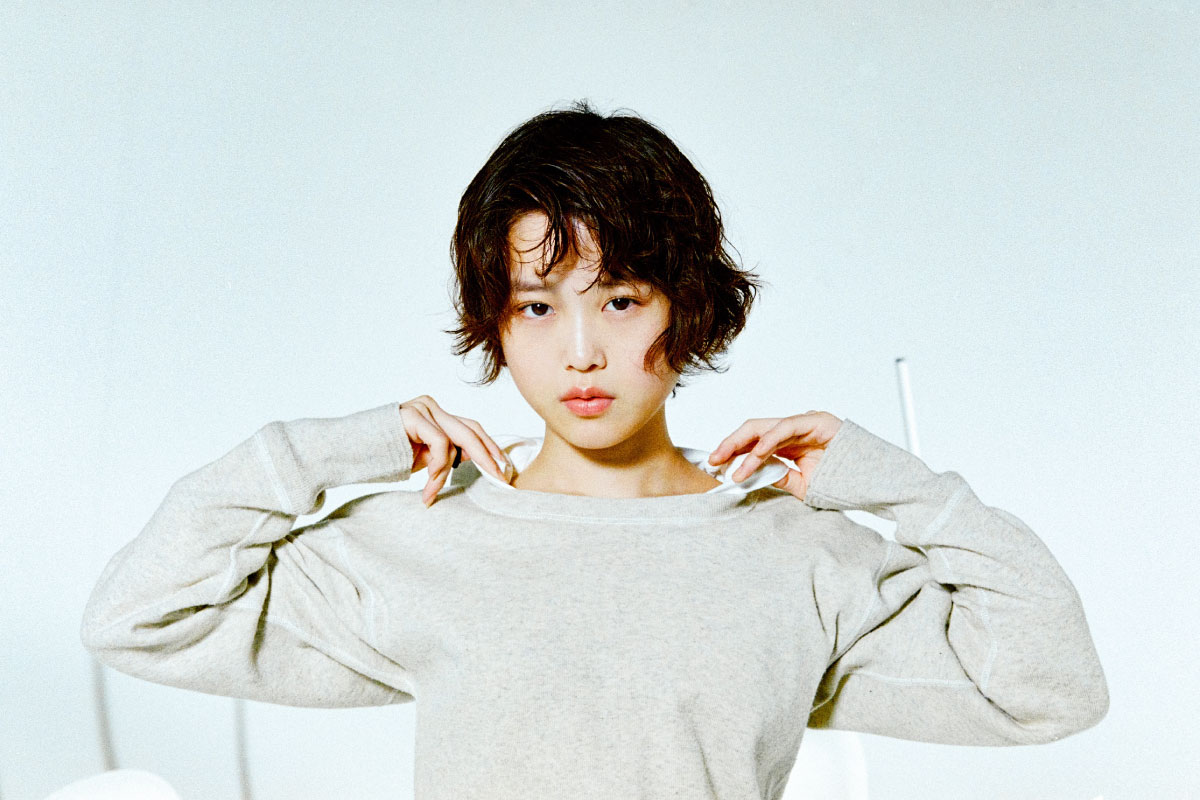
A singer-songwriter/guitarist with exceptional guitar playing and vocals. He spent his childhood in New York, starting classical guitar at age 4, and discovering the blues at age 5, beginning to create his own unique music that transcends genres. In February 2015, he released his 1st Mini Album "BLU" with Ryosuke Nagaoka (Petrolz) as co-producer. He has performed at numerous domestic and international festivals, including FUJI ROCK FESTIVAL, SUMMER SONIC, RISING SUN ROCK FESTIVAL, ARABAKI ROCK Fest, SXSW Music Festival, JAVA JAZZ Festival, Les Eurockeennes, and Heineken Jazzaldia. In the fall of 2017, he became the first Japanese musician to perform live at "TED NYC". On November 25, 2020, she released her 2nd album "HONEY," which includes "What Do You Want?", the theme song for the Mode Gakuen vocational school (Tokyo, Osaka, Nagoya) commercial, and "Lonely Dance Club," a COLLABORATION track with SOIL&"PIMP"SESSIONS. On February 26, 2021, the International Edition of her 1st album "REI" was released worldwide by the US/Verve Forecast label. In October 2021, she launched COLLABORATION project "QUILT." As the first release, she digitally released the single "Smile! with Fujiwara Sakura," featuring singer-songwriter Fujiwara Sakura, on October 15.
HP | TWITTER | Instagram | Facebook | YouTube
RELEASE
"Smile! with Sakura Fujiwara"
Released on October 15, 2021 (Friday)
Reiny Records/Universal Music
https://lnk.to/Rei_Smile_SakuraPR
"comment"
I picture the smiling face of someone I cherish.
That alone fills your body with a gentle and happy feeling.
This song tells the story of a protagonist who, living alone in sorrow, rediscovers joy through an encounter with a certain person.
It is the story of Rei and Fujiwara Sakura, and it is also the story of you and someone else.
I hope everyone can be happy and smiling.
Rei
In times of sadness, and in times of joy
I casually contacted them asking if they wanted to meet up.
We might cook a meal together, get angry or laugh together, and even if nothing is resolved, it can still feel refreshing.
I love the look on your face when you're laughing wholeheartedly. When I'm with you, I also realize I like myself when I'm laughing and clapping my hands.
Thank you so much for the wonderful song!
Sakura Fujiwara
EVENT SCHEDULE
Reiny Friday, which Rei has been holding sporadically since 2015, inviting musicians she respects, will be held for the 12th time in Tokyo and Osaka for the first time, with Fujiwara Sakura joining as a friend.
Reiny Friday -Rei & Friends- Vol.12
October 15, 2021 (Friday), Hulic Hall Tokyo, Tokyo (Concluded)
Friday, October 22, 2021, Osaka, Umeda CLUB QUATTRO
Act: Rei
Friends: Sakura Fujiwara
Tickets: 5,500 yen https://eplus.jp/rei/
Tokyo performance: HOT STUFF PROMOTION TEL 03-5720-9999 (Weekdays 12:00-15:00)
Osaka Performance: Sound Creator Inquiry