- Pick Up -
The setting for this story is Hit Union Takefu, a sewing factory located in Echizen City, Fukui Prefecture.
Since our founding in 1949, we have upheld a spirit of pursuing reliable sewing techniques and quality.
Equipped with state-of-the-art equipment and approximately 400 sewing machines, the factory employs over 200 salesperson, from veterans to young employees, working together to produce a variety of apparel products, including hats.

- The Making -
STEP 1 Cut the fabric and create the parts.
"As hat designs become more complex, the manufacturing process also becomes more intricate. Craftsmen need to constantly improve their skills."
The crown, brim, and belt...a single cap is made up of numerous fabric pieces sewn together.
The item whose manufacturing process we followed this time cap with a particularly complex design, composed of approximately 30 parts.
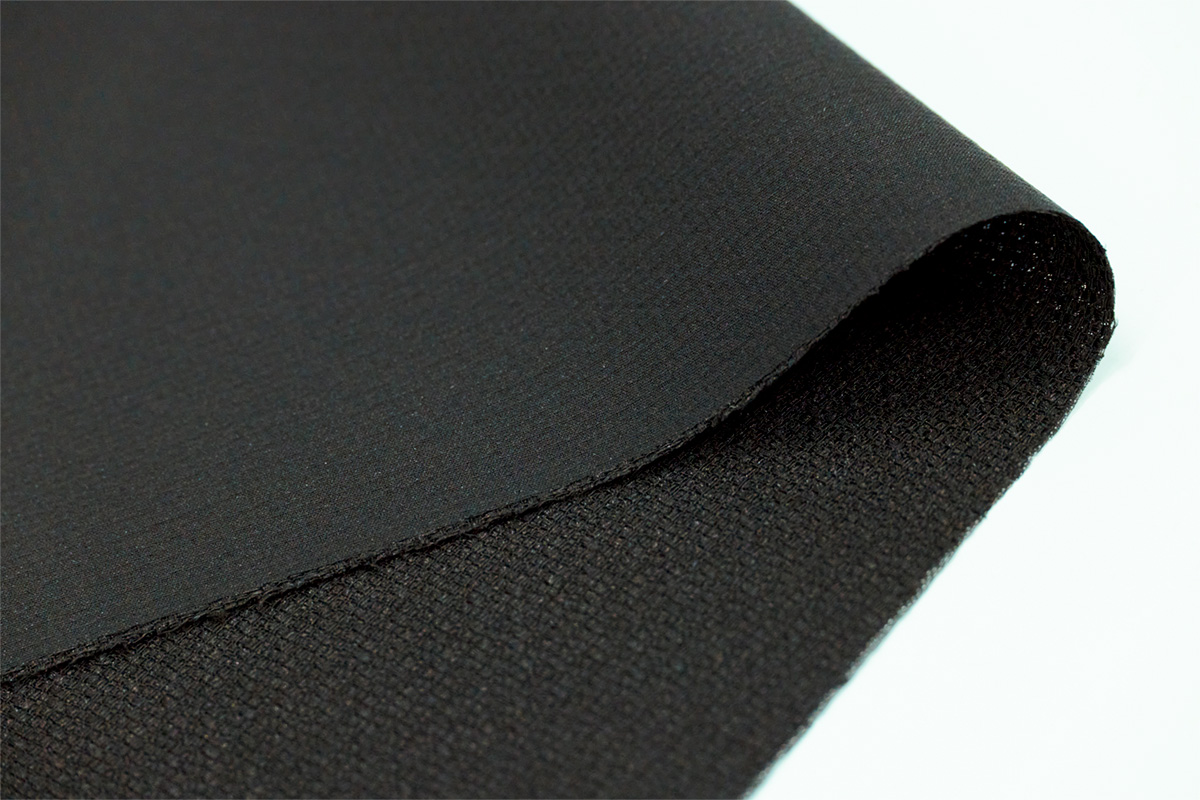
First, we start by creating the base fabric components. An auxiliary fabric called "interlining" is attached to the back of the fabric to be used on the surface, and this process gives it stiffness and thickness to prevent it from losing its shape.
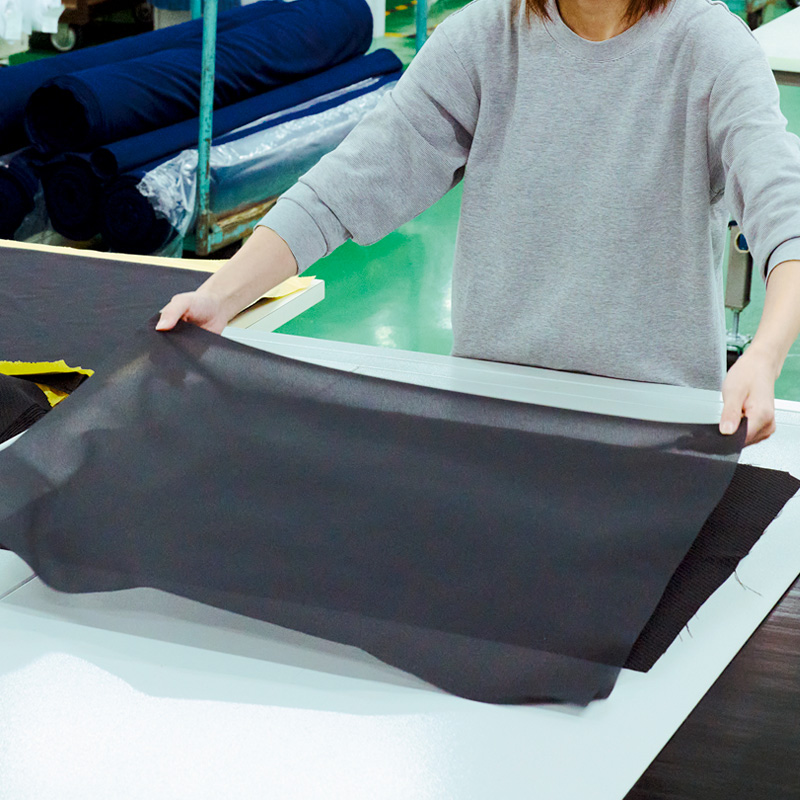
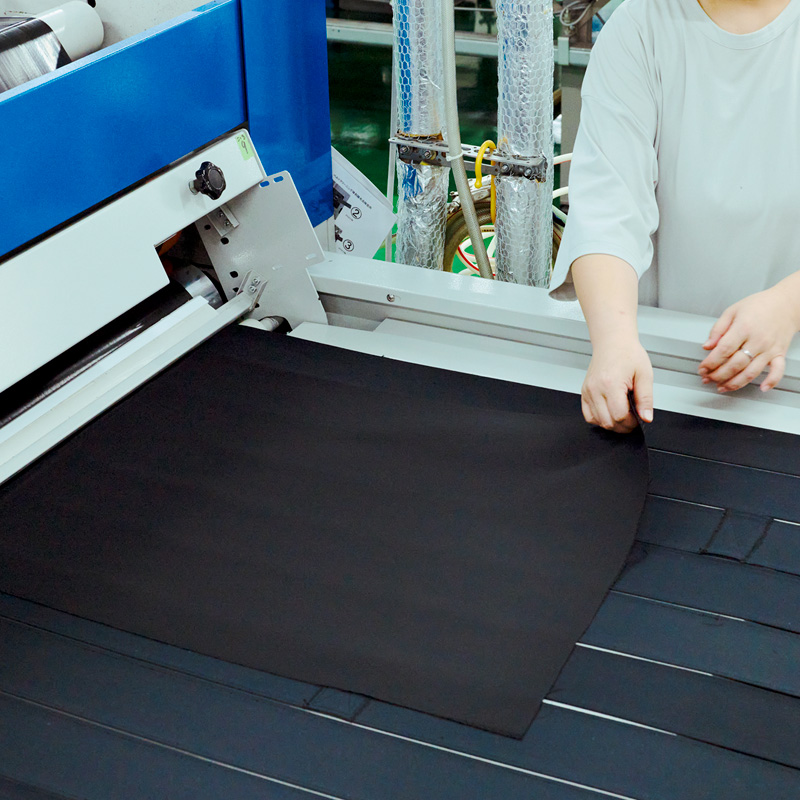
 Next, the fabric is cut by machine using a method called CAM (Computer-Aided Manufacturing). The computer reads the drawings created under the supervision of skilled craftsmen, enabling accurate and speedy cutting.
Of course, tasks such as complex computer settings can only be handled by skilled craftsmen with their experience and intuition.
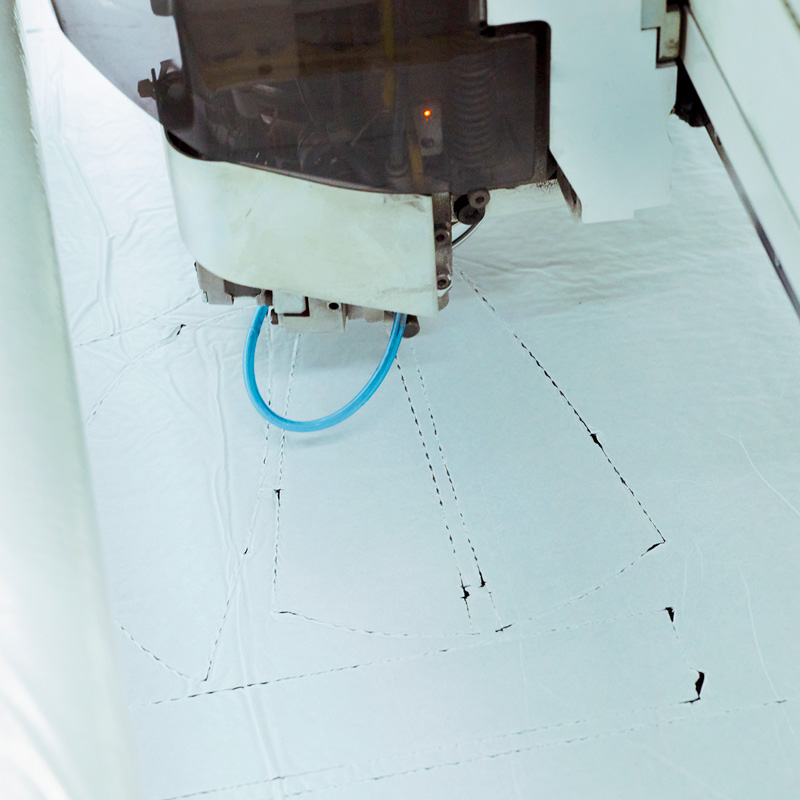
"Recently, there's been an increase in hats with complex designs, so the shapes of the parts and the manufacturing process have also become more complex. Craftsmen need to constantly update their skills and knowledge."
STEP 2 Add embroidery
"Only human hands can feel the characteristics of the fabric and adjust it accordingly."
Embroidered logos and decorations are an important element that makes cap appealing. The impression can change greatly depending not only on the design, but also on the type of thread and density.
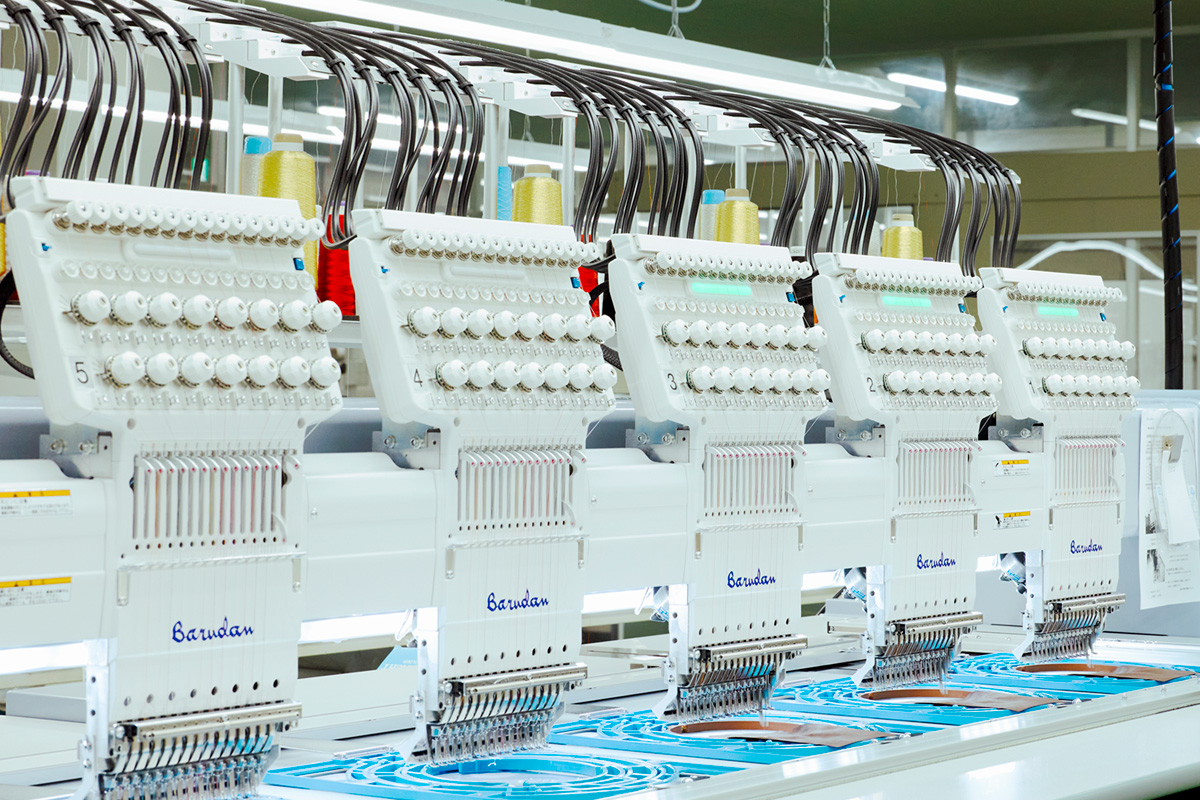
At Hit Union Takefu, the latest equipment has been introduced for this process as well. Rows of embroidery machines accurately and simultaneously carry out complex embroidery on multiple items.
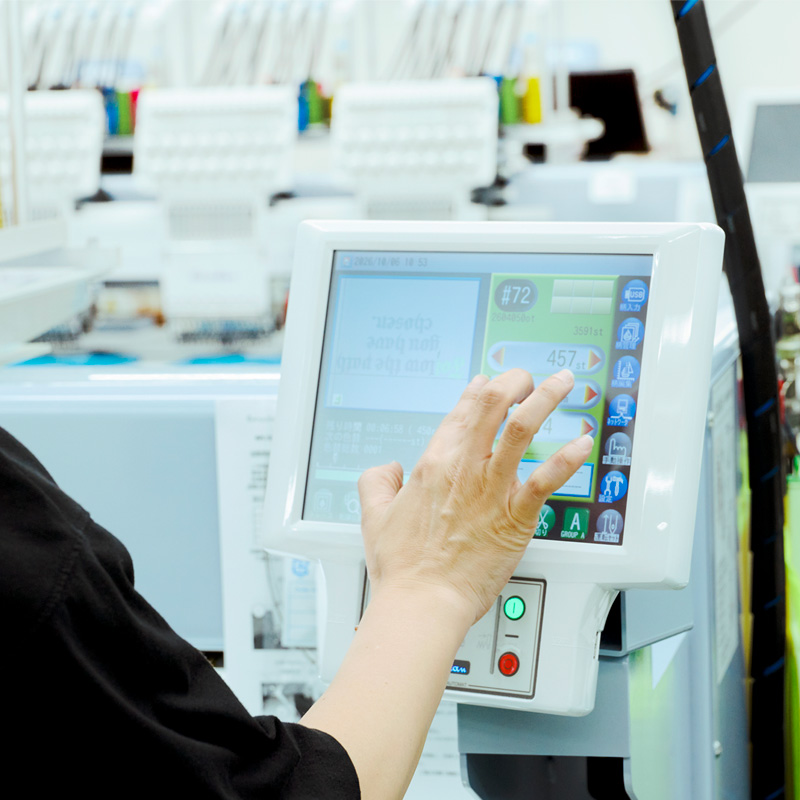
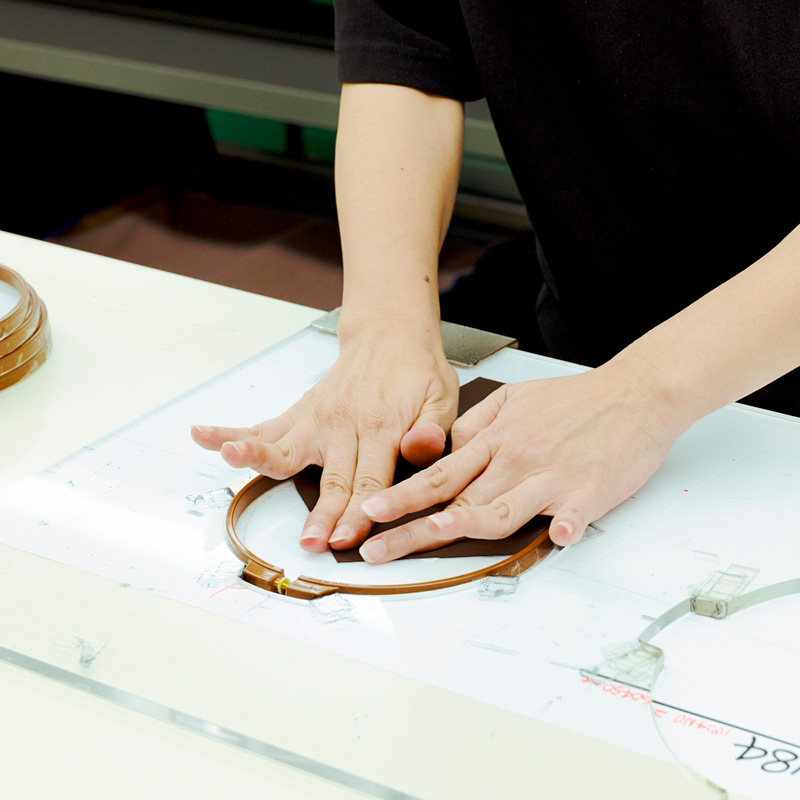
Here too, skilled craftsmen manage the process, including pre-setting the machines and adjusting the sewing speed while they are running. It's a collaborative effort between state-of-the-art machines and skilled workers.
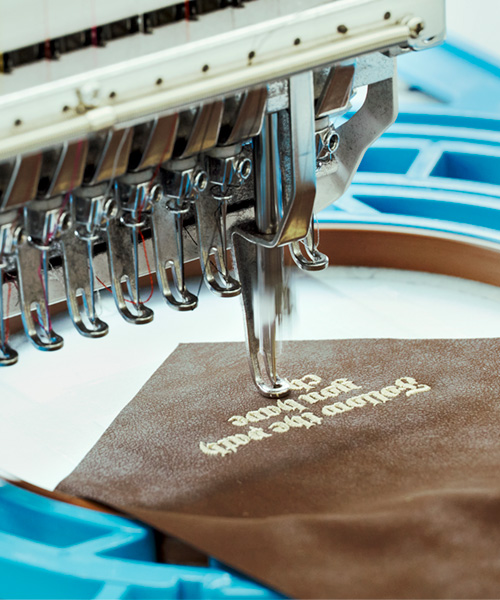
"Only human hands can feel the characteristics of the fabric and adjust accordingly. We set the appropriate embroidery method according to its softness, stretch, and other properties."
STEP 3 Sew together and create a three-dimensional shape.
"It requires the skill to sew with dots, not lines. Even a 0.5mm deviation is unacceptable."
Finally, the flat pieces of fabric begin to transform into three-dimensional cap.
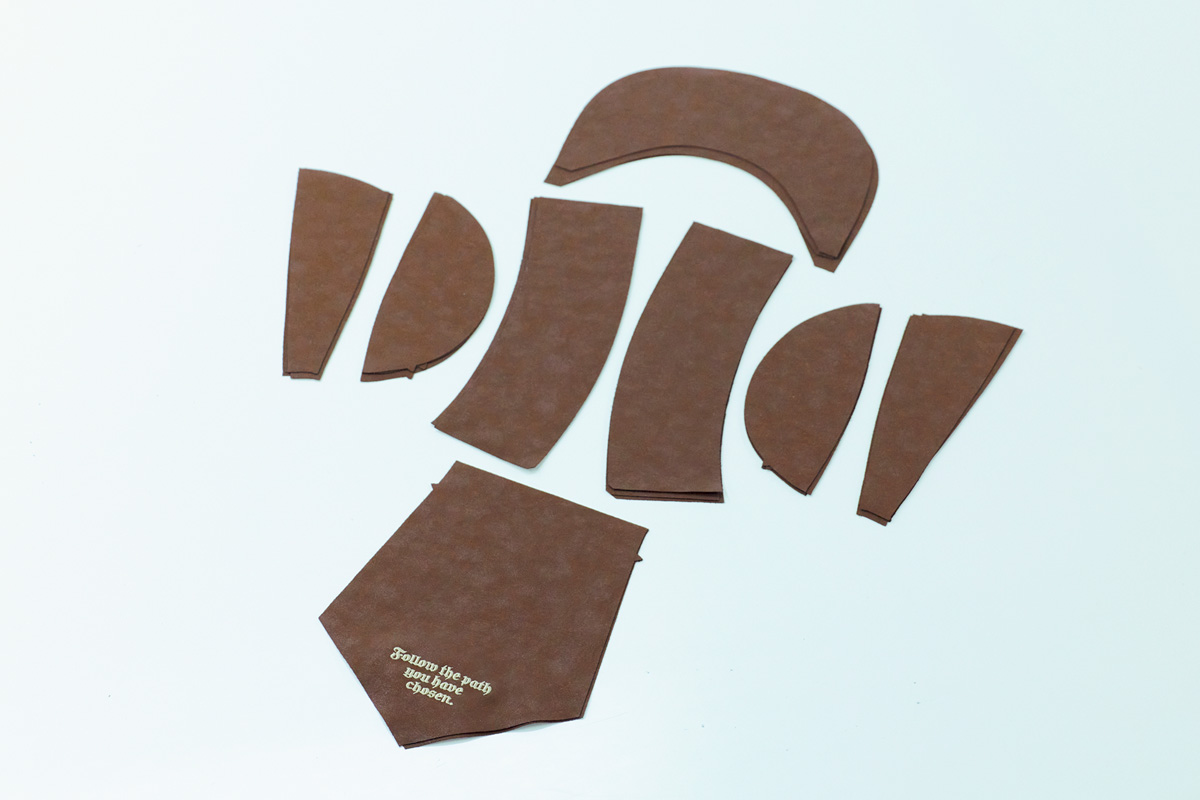
And from this point on, it can only be done by the hands of skilled craftsmen.
"The process of sewing hats together requires a particularly strong sense of three-dimensionality, even within the apparel industry. By sewing point by point, rather than using lines, we can create a beautiful curve. Even a 0.5mm deviation is unacceptable."
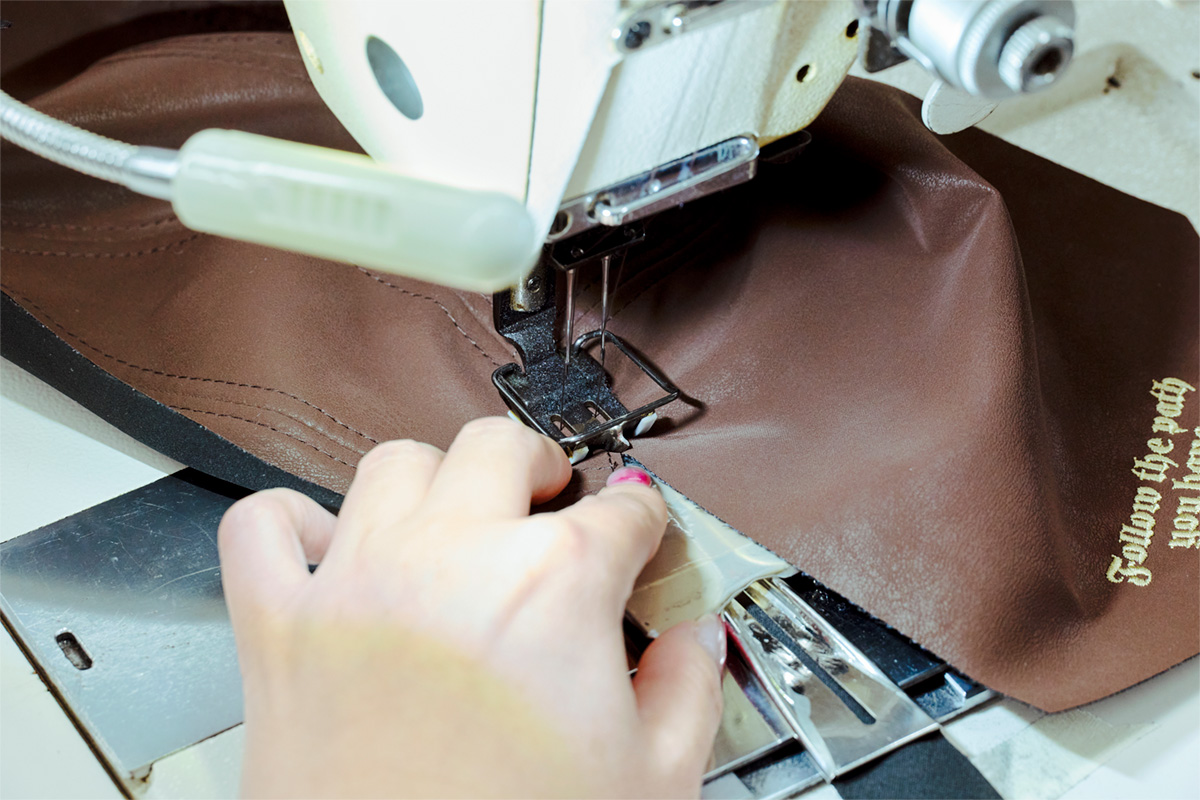
Each craftsman, specializing in their respective areas, showcases their expert skills. Working in coordination, they meticulously work together to bring each hat closer to completion, in a world where even the slightest deviation is unacceptable.
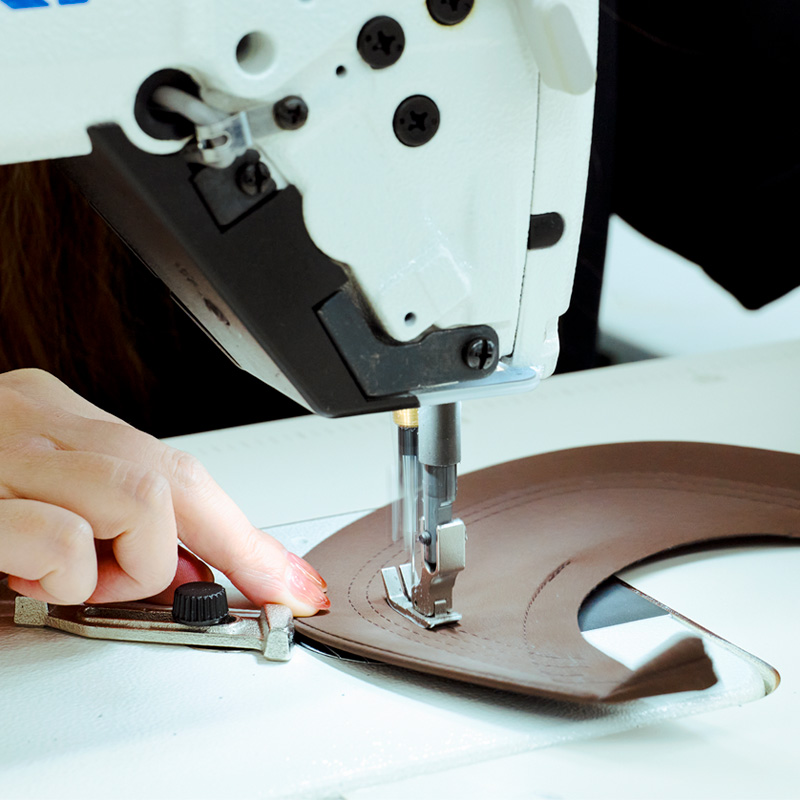
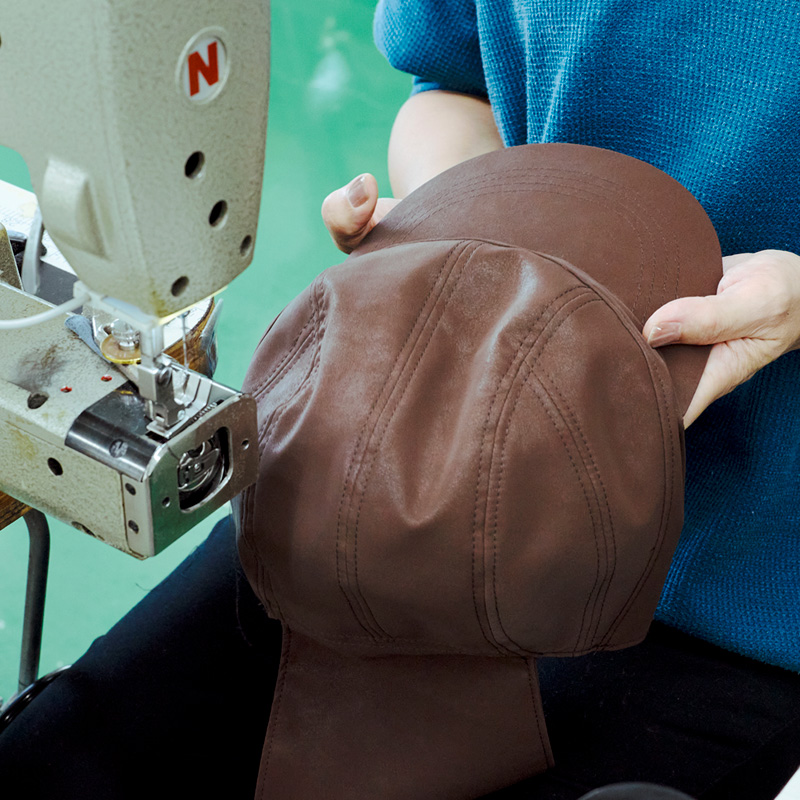
"Some of our craftsmen have 40 years of experience, while those with 10 years of experience are still considered newcomers. The spirit of 'Made in Japan,' which emphasizes meticulous attention to detail in quality, is passed down from veterans to younger generations through careful instruction."
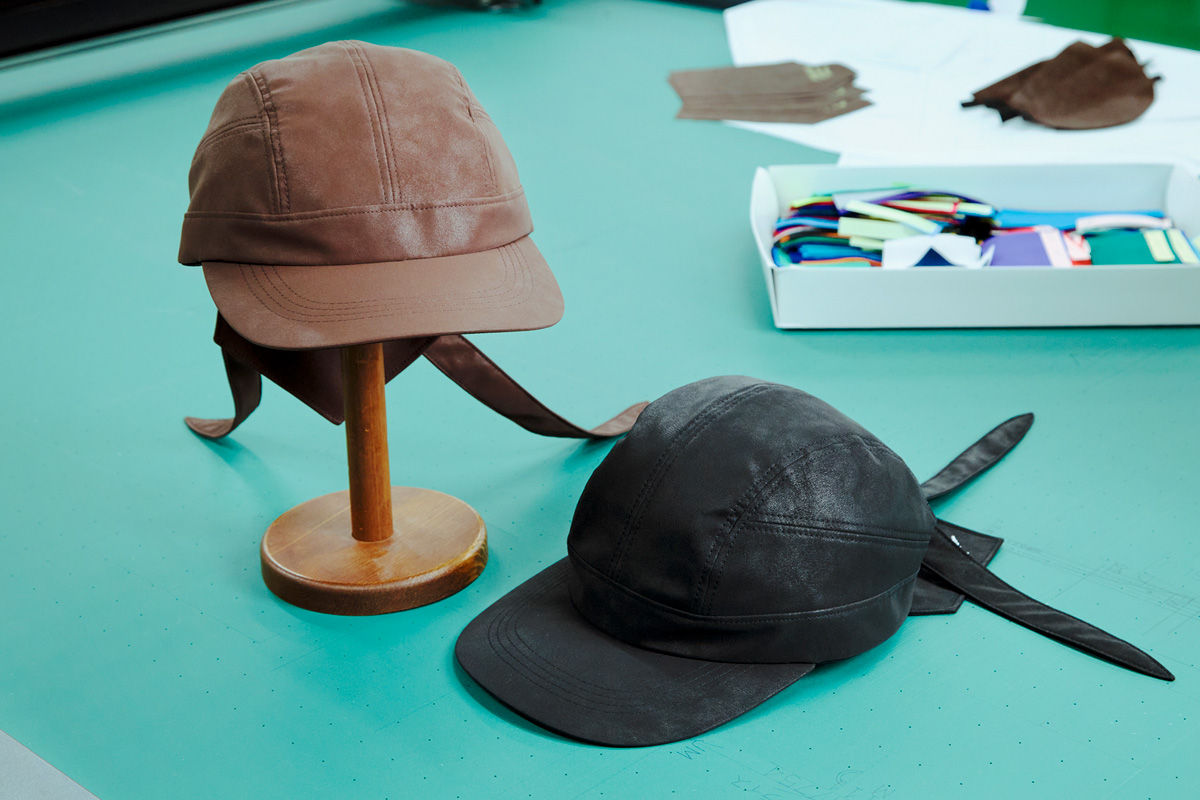
In a factory equipped with state-of-the-art facilities, the manufacturing process was supported by the skills and spirit of craftsmen that had been passed down for approximately 80 years.